Procurement Transformation Change Management: The 6-Phase Framework That Ensures Adoption
Explore a six-phase procurement change management framework that helps teams build user adoption and sustain procurement transformation.
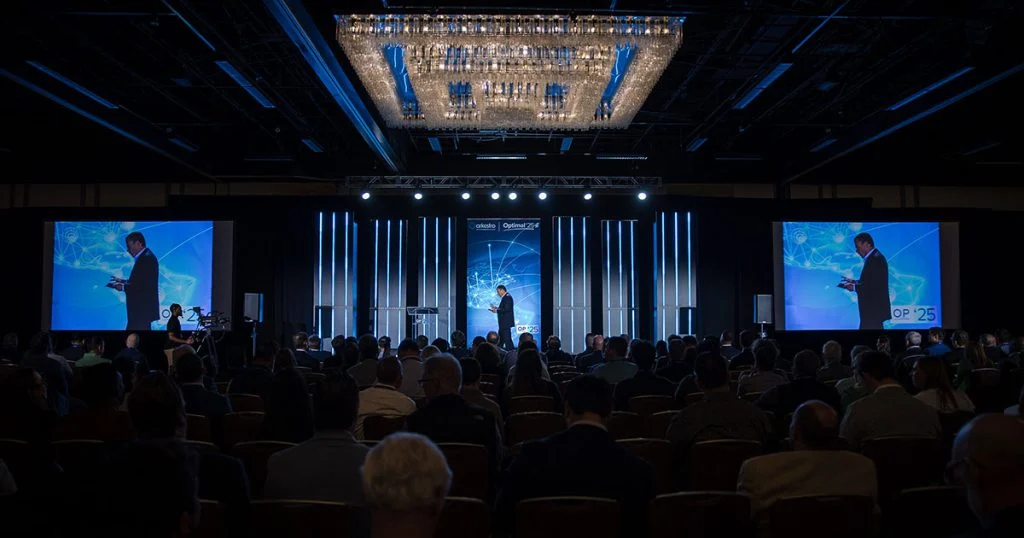
At Optimal ’25, the product keynote focused on two things: how Arkestro’s platform helps procurement teams work faster today, and the next wave of capabilities being developed inside Arkestro Labs.
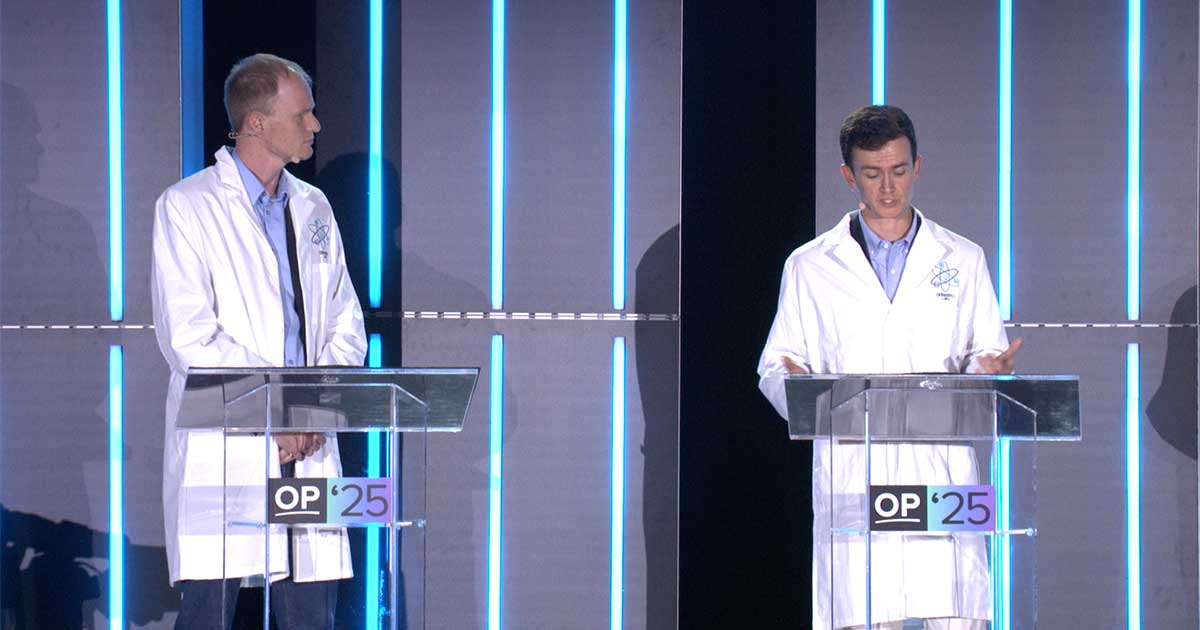
At Optimal ’25, the product keynote focused on two things: how Arkestro’s platform helps procurement teams work faster today, and the next wave of capabilities being developed inside Arkestro Labs.
The session showed where teams lose the most time, how the platform removes those bottlenecks, and what’s coming next to help buyers make decisions earlier with better information.
The demo began with a scenario every procurement team knows well: an urgent request with incomplete information and pressure from the business to respond quickly.
Rather than manually keying in line items or stitching details together from spreadsheets and PDFs, the team showed how a buyer can simply upload a document and let the platform prepare the event. Arkestro’s document ingestion model identifies quantities, units, and specifications and converts them into structured data within seconds.
It’s the kind of task that typically burns the first 20-30 minutes of an urgent request. On stage, it took a few seconds, and the event was ready to build.

Once the event was created, the demo shifted to supplier selection.
Arkestro recommended suppliers based on:
It showed how teams avoid the typical scramble: searching old emails, relying on memory, or contacting the first supplier who comes to mind. Instead, the Arkestro platform presents options supported by historical data.
The second scenario demonstrated how the platform manages more complicated events. In this case, industrial gases with:
The buyer selected which currencies suppliers could use, and exchange rates populated automatically. A calculated column was added for “total cost including cylinder rental” using a formula bar that feels familiar to anyone who works in spreadsheets.
The same formula logic appeared on the supplier side, so that both the buyer and supplier were working from consistent calculations. When suppliers submitted their quotes, Arkestro converted everything back into the buyer’s reporting currency and presented a clear comparison.
The workflow removed the usual friction: scattered formulas, mismatched formats, and hours lost reconciling details that should align cleanly from the start.
The final portion of the demo focused on the broader decision layer of the platform: how Arkestro’s platform helps teams identify where the next opportunities might be.
Using recent quotes and external benchmarks, the product team showed how a buyer can quickly see:
From that view, the buyer could launch a new event directly, without rebuilding criteria or searching for historical information. This capability is part of Arkestro Opportunities, a component of the broader Arkestro Intelligence model set powering price recommendations, supplier suggestions, and upcoming purchase predictions.
It’s designed to help teams catch issues earlier, rather than months later during a retrospective review.
After the demo, the keynote shifted to what the product team is developing inside Arkestro Labs.
Labs is where Arkestro experiments with new AI-driven capabilities before they enter general release. It is designed for rapid iteration and early customer testing, with an emphasis on:
The goal of Labs isn’t to rethink sourcing from scratch, but to build tools that help procurement step in earlier, remove unnecessary work, and make decisions with clearer information and less friction.
Customers who want early access will be able to participate in testing cycles and influence what moves into the core product.
Across sessions at Optimal ’25, leaders repeated the same challenges: too many requests, not enough time, and limited visibility into where the largest opportunities sit.
The product keynote addressed those challenges directly:
Arkestro Labs builds on that foundation, helping teams move toward more proactive, predictive decision-making with tools that reduce the guesswork.
For procurement teams planning for 2026, the message was clear: predictive procurement is no longer aspirational. It’s operational, and the tools shown on stage are built to make that shift practical at enterprise scale.
No spam, just relevant news, tips, and tricks. You can unsubscribe anytime.