
Automotive
Drive more value from automotive spend
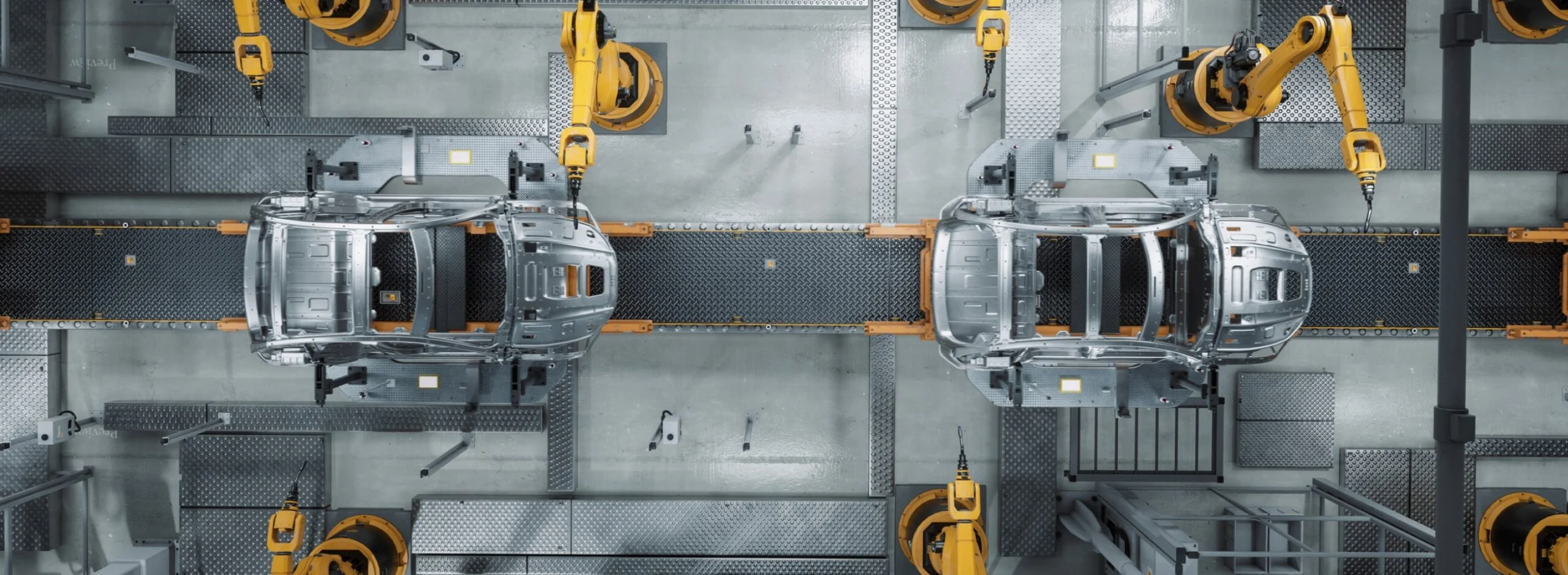
Fueling better automotive outcomes


Take control of automotive complexity
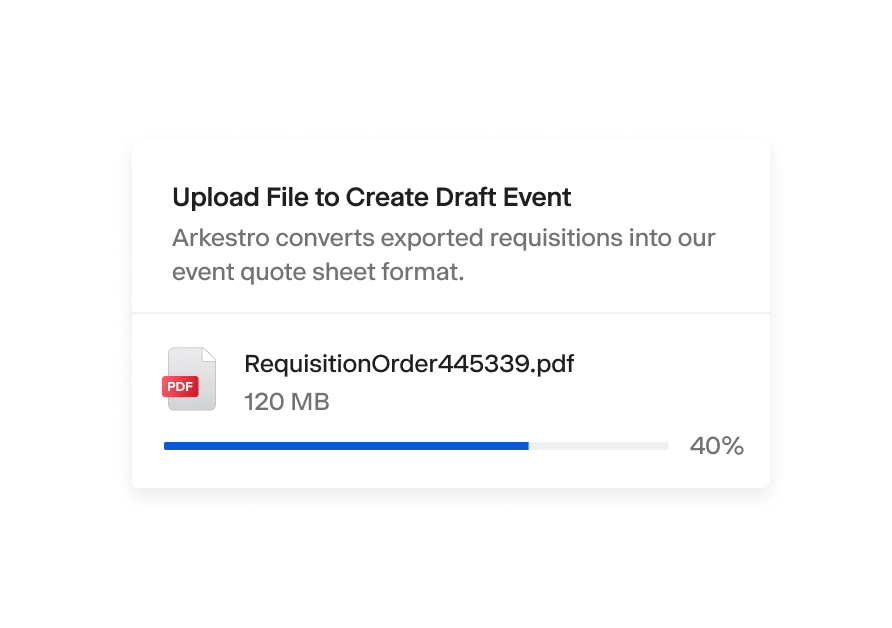
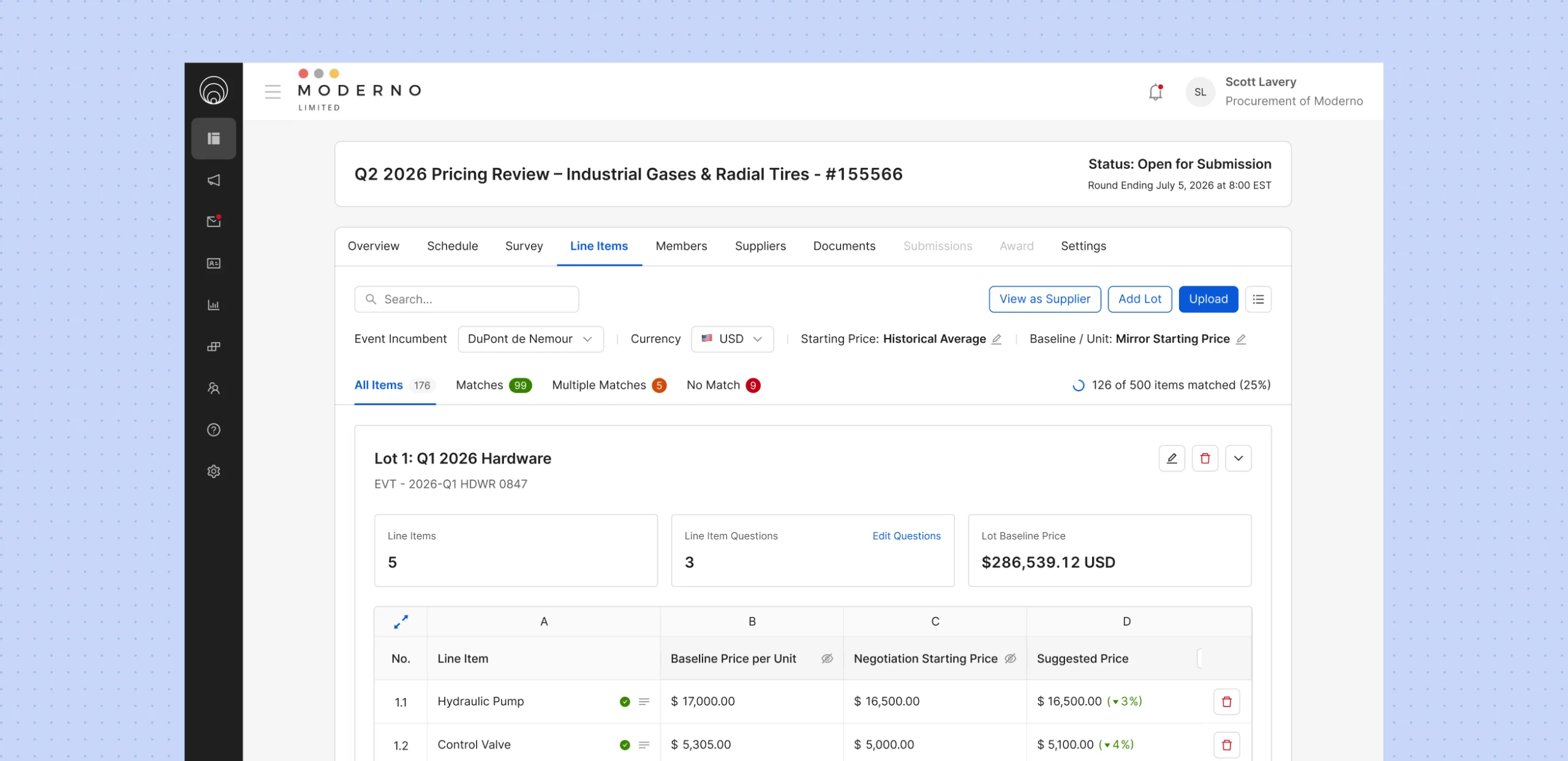
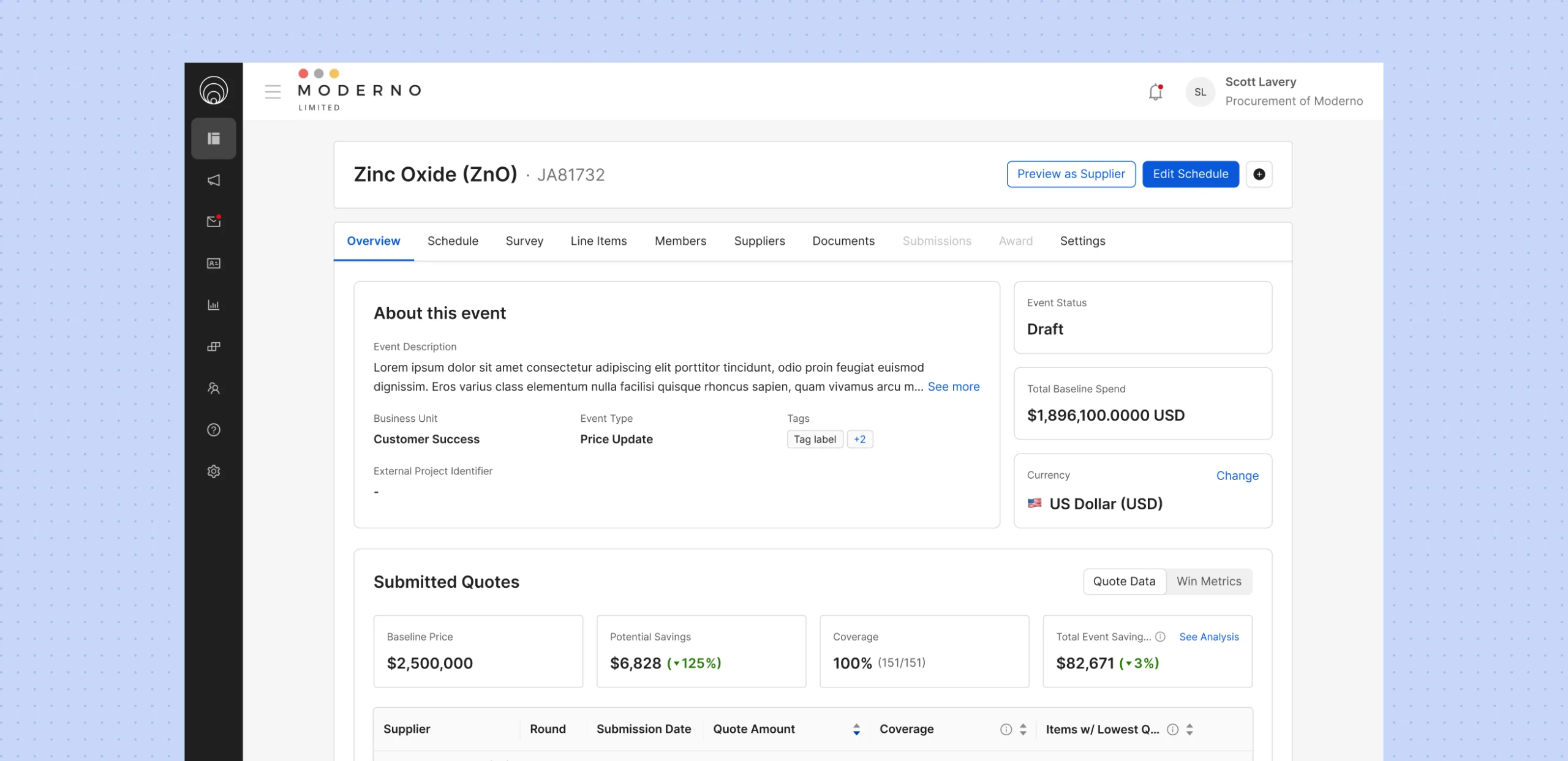
Launch events faster
Turn existing specifications and documents into structured events, reducing setup time and manual tasks.
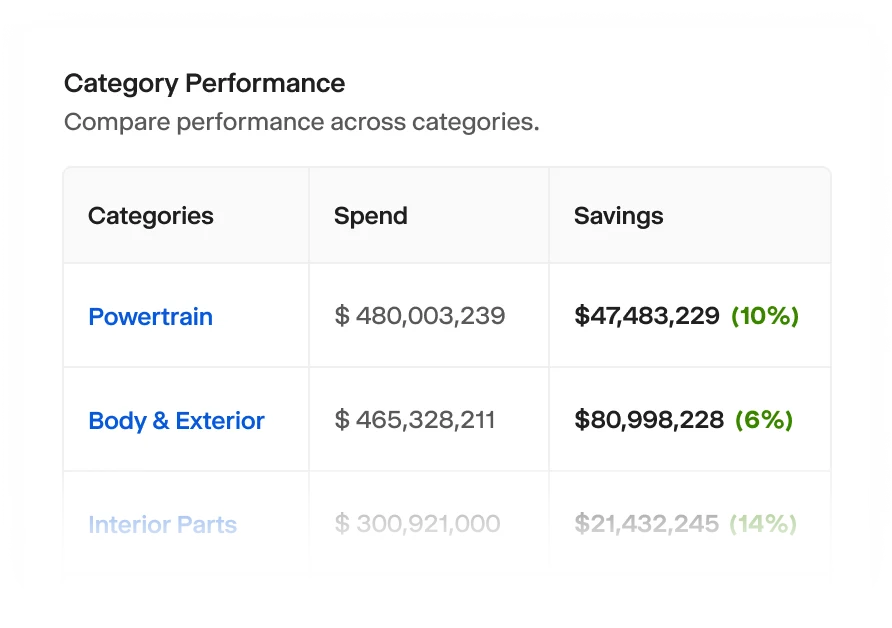
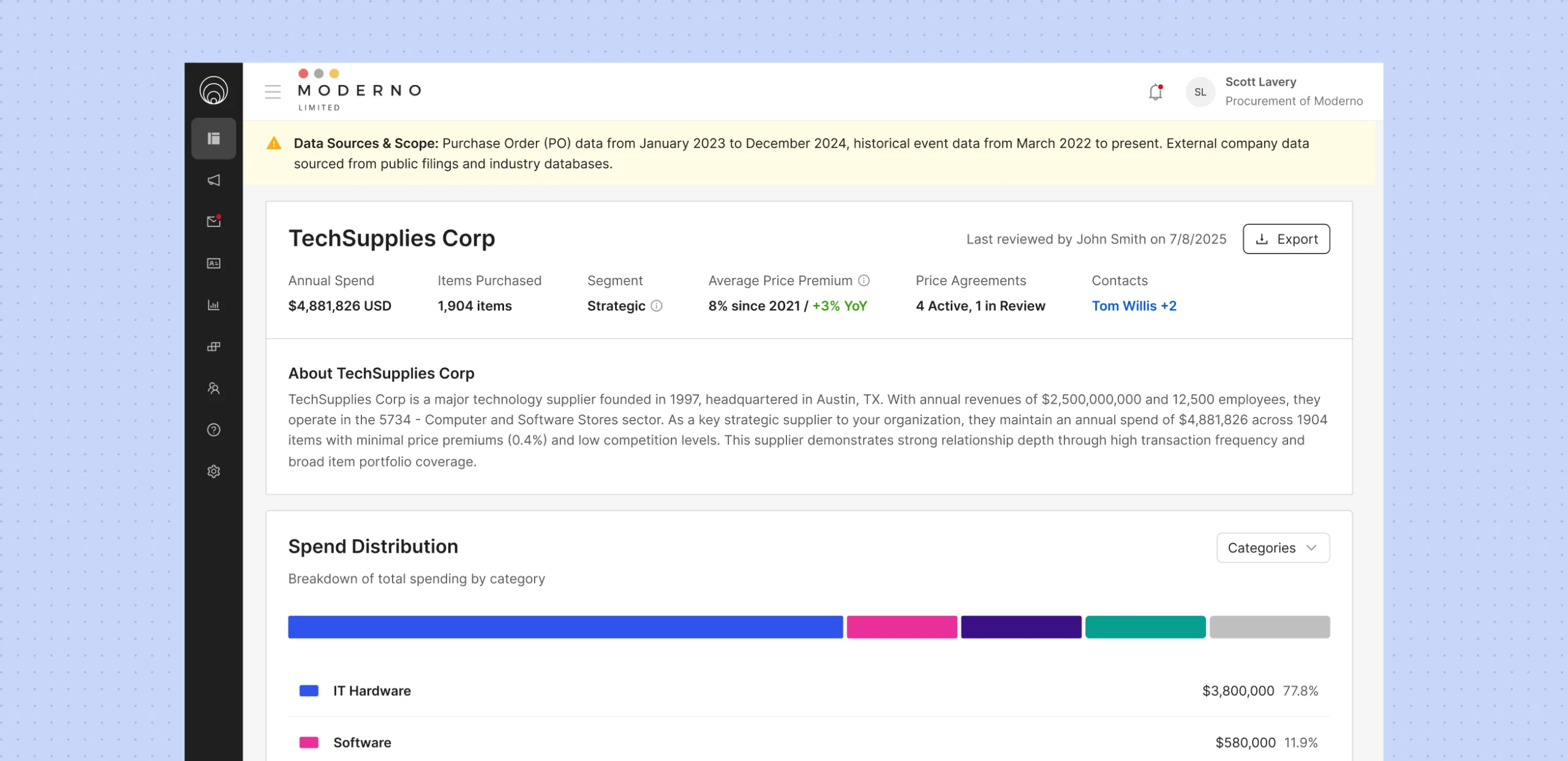
Cover more spend across categories
Bring more parts, services, and plant-level categories into a structured process without adding resources or increasing team workload.
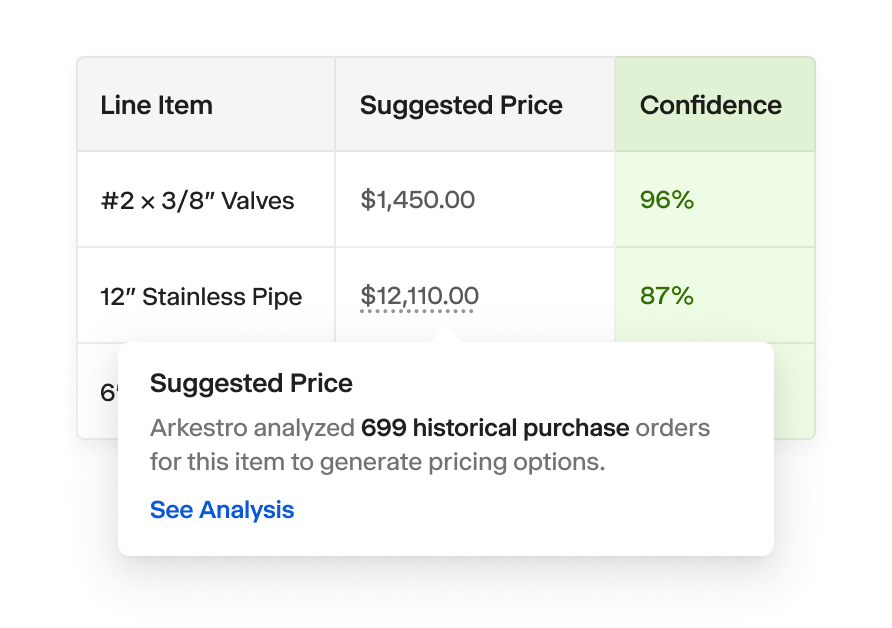
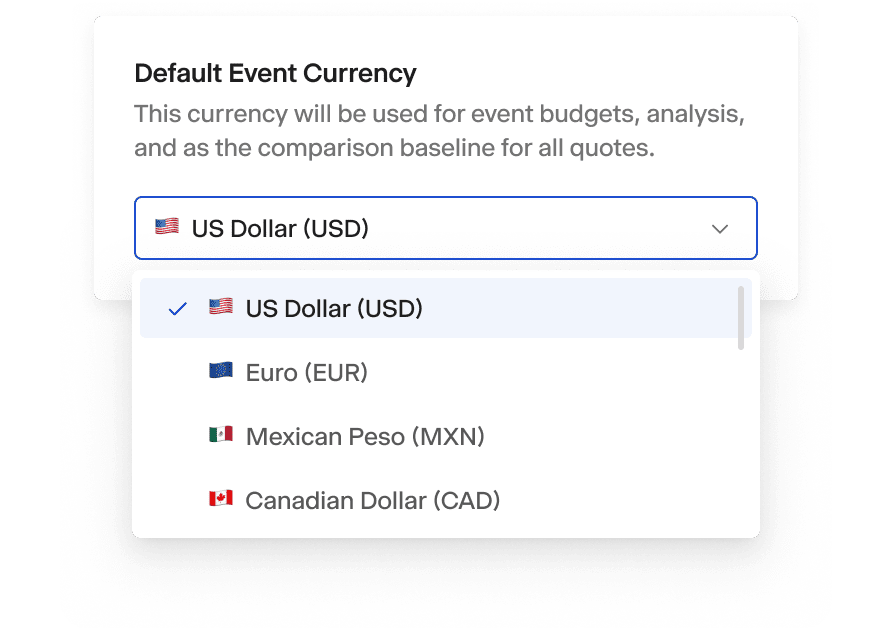
Start with the right price
Use predictive pricing to establish a market-aligned target before suppliers respond, then guide each round with intelligent counter-offers.
Standardize execution across plants
Start with the specs and files each team already uses, then turn them into structured events that can be applied consistently across more plants worldwide.
The only predictive procurement platform
Vertical AI for procurement
Powered by prediction
We use AI only where it materially improves outcomes, not as blanket automation. Our philosophy: AI where you need it. Human where it matters.™




FAQ
Everything you need to know about predictive procurement for the automotive industry.
Predictive procurement uses historical spend and market data to set a market-aligned target price before suppliers respond, then guides each negotiation round with intelligent counter-offers. For automotive teams, that applies to production parts, plant-level indirect categories, and services, turning existing specifications and documents into structured multi-round events instead of one-off manual negotiations.
Tariff exposure and localization mandates both come down to the same problem, which is being over-reliant on a supply base that was optimized for a different set of conditions. Arkestro identifies and qualifies additional suppliers based on pricing and performance history, which broadens the pool a team can competitively source from as trade conditions shift. That widens options before a disruption forces a decision rather than after.
Arkestro customers see up to 18.8% average savings, compared with a typical industry range of 3-5%. Savings scale with how much spend moves from single-source or spot-buy handling into competitive, multi-round events, so teams with large tails of unmanaged plant-level spend generally have the most room to gain.