
Procurement Transformation Change Management: The 6-Phase Framework That Ensures Adoption
Explore a six-phase procurement change management framework that helps teams build user adoption and sustain procurement transformation.
Learn how Oil & Gas industry leaders are leveraging AI and predictive procurement to stay ahead in 2025.

The oil and gas industry has high stakes and high expectations. In this challenging landscape, a single disruption, market fluctuation, or unexpected delay can have multimillion-dollar consequences. The rise of cybersecurity threats, the war in Ukraine, and the global shift away from fossil fuels only add to the pressure for higher efficiency, productivity, and cost-effectiveness.
With so much on the line, procurement teams in this sector face intense pressure to save on costs — without sacrificing quality or high operational standards.
Here’s where AI-driven predictive procurement enters the scene. In 2025, an astounding 90% of energy companies are committed to AI adoption, allowing them to completely transform every aspect of procurement, from sourcing and contracts to supplier relationships.
For leaders in this industry, the question isn’t whether AI is necessary — it’s how quickly it can be deployed to drive agility and savings. Here’s how industry leaders are leveraging AI and predictive procurement to stay ahead in 2025.
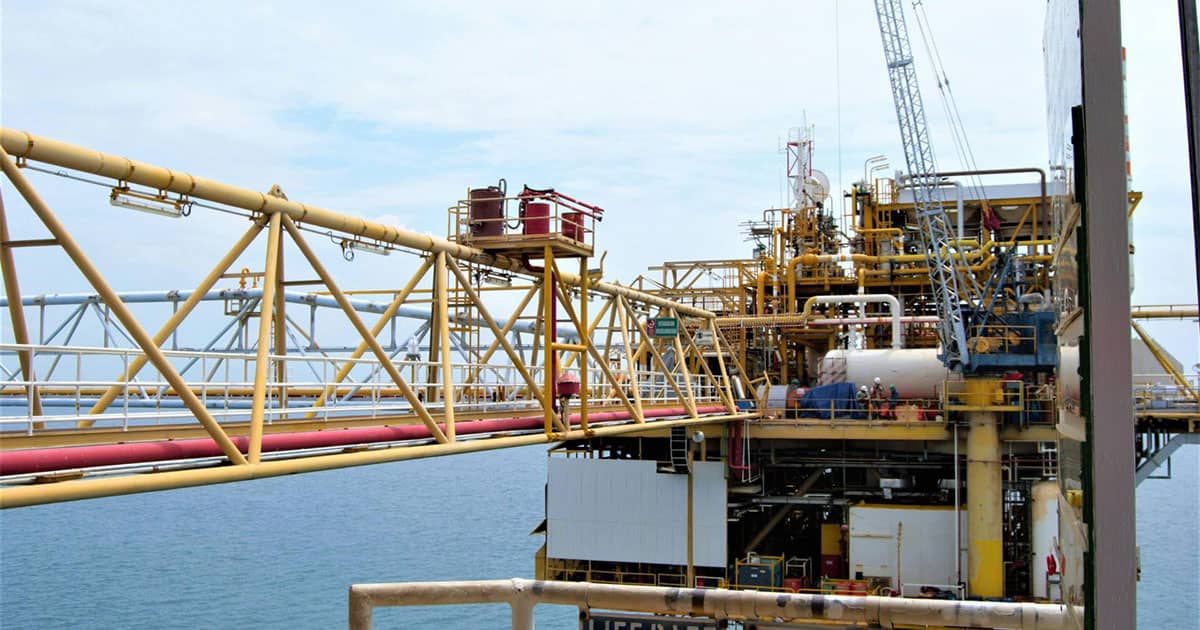
Procurement in oil and gas is complex, to say the least. Energy companies manage vast global supply chains, relying on an intricate web of suppliers, contractors, and logistical partners. They must secure mission-critical materials and services while mitigating a host of risks.
Here are some of the top challenges facing the industry today:
In an era of mounting pressure, traditional procurement methods (think: manual spreadsheets and reactive cost negotiations) are simply too slow to keep up. AI-powered predictive procurement gives procurement teams a leg up by introducing automation, analytics, and foresight into decision-making.
Predictive procurement uses artificial intelligence to analyze vast amounts of data, identify patterns, and forecast outcomes. By applying machine learning and behavioral science, AI-driven platforms like Arkestro help oil and gas companies optimize procurement in real time.
The magic is in the three sciences:
Now, let’s dive deeper into the features that make AI such a game-changer for oil and gas procurement teams.
AI evaluates market trends, historical pricing, supplier performance, and risk factors to recommend the best sourcing strategies. It continuously learns from transactions and external market conditions to improve procurement outcomes over time.
Instead of lengthy back-and-forth negotiations, AI can analyze supplier bids and recommend optimal pricing structures. It predicts which suppliers are most likely to meet cost, quality, and delivery expectations, helping procurement teams make data-backed decisions faster. In fact, one Fortune 10 oil and gas company used Arkestro’s AI to shrink a multi-round bidding process from 12 weeks to 4 weeks.
Rather than chasing cost reductions after contracts are signed, predictive procurement identifies savings opportunities before purchases are made. It ensures companies secure the best pricing on raw materials, equipment, and services before cost overruns occur. With Arkestro, the average oil and gas company saves 16% over a 12-month rolling period. One multinational energy company unlocked an impressive 20% cost reduction in procurement margins.
By continuously monitoring supplier data and external risk factors, AI helps companies proactively manage supply chain vulnerabilities. It flags compliance risks, reducing the likelihood of costly regulatory violations or operational disruptions.
With AI-driven insights, oil and gas companies can respond to market fluctuations instantly — adjusting sourcing strategies, diversifying supplier networks, and securing better contract terms at the moment.
AI reduces friction with suppliers, speeds up negotiations, and automates manual tasks. All that increased efficiency and productivity means oil and gas procurement teams can exponentially amplify their reach — without adding to their headcount. The average Arkestro customer reaches $100 billion in spend using predictive procurement.

Leading oil and gas companies are already embracing AI-driven predictive procurement to streamline operations and cut costs:
This level of transformation is setting a new industry standard. Here’s an overview of the results for companies leveraging predictive procurement:
The energy sector is at a crossroads. In 2025, projected production has climbed to 13.5 million barrels per day — a level expected to exceed consumer demand by next year. Offshore production is getting more attention, especially as global conflicts carry on. At the same time, sustainability and decarbonization measures are pushing the industry to reduce emissions, invest in renewables, and improve efficiency.
Procurement teams have no choice but to keep up with the pace of change. In this volatile climate, AI has become a necessary tool in the proverbial toolbelt. Companies that fail to adopt predictive procurement risk falling behind their competitors in nearly every arena, including cost efficiency, supply chain resilience, and operational speed.
The future of oil and gas procurement is predictive, agile, and AI-driven. Invest in predictive procurement today, and you’ll be better positioned to navigate the complexities of tomorrow.
If you’re ready to take your oil and gas procurement processes to the next level, Arkestro can help. Trusted by Fortune 500 companies across industries, we’re shifting traditional procurement to a proactive, results-driven function.
See how we can help you eliminate inefficiencies, optimize negotiations, and enhance supplier collaboration. Stay ahead of the curve. Get in touch with Arkestro today.
No spam, just relevant news, tips, and tricks. You can unsubscribe anytime.